
Technical SEO Guidance 2026 | IICE Computer Education Shimla


The world of search engines is evolving rapidly, and by 2026, SEO will not be about keywords and backlinks. If the site is slow, badly designed, or hard for search engines to interpret, it won’t rank well, even if the content is good. This is where Technical SEO matters.
At IICE Computer Education Shimla, Technical SEO is taught in a practical and easy way so students, business owners, and digital marketers can apply it confidently on real websites. This blog explains Technical SEO Guidance 2026 in simple language, just like a human expert would explain it.
What is Technical SEO?
Technical SEO is the practice of optimizing your website’s infrastructure for search engines, so that they can easily crawl, index, and rank your site. It is about website loading speed, mobile-friendliness, security and accessibility, website hierarchy and so on. Simply put, Technical SEO is the practice of making your website more search-engine and user friendly.
Why Technical SEO Is Even More Important in 2026
Google’s algorithms are now highly focused on user experience, performance, and trust. In 2026, slow loading pages, broken mobile sites, and technical errors will automatically see websites demoted in search.
Technical SEO benefits your website:
- Load faster on all devices
- Work smoothly on mobile phones
- Get indexed correctly by Google
- Gain user trust and credibility
- Support long-term rankings
Without good technical SEO, other SEO efforts don’t produce much.
Important 2026 Technical SEO Factors
- Website Speed and Performance
The speed of your website is one of the most critical ranking signals. Google uses Core Web Vitals to gauge speed, which includes how quick a website loads, whether it is visually stable while loading and if users can interact with it. To improve speed:
- Use fast hosting
- Compress images
- Reduce unnecessary plugins
- Keep code clean.
2. Mobile-First Indexig
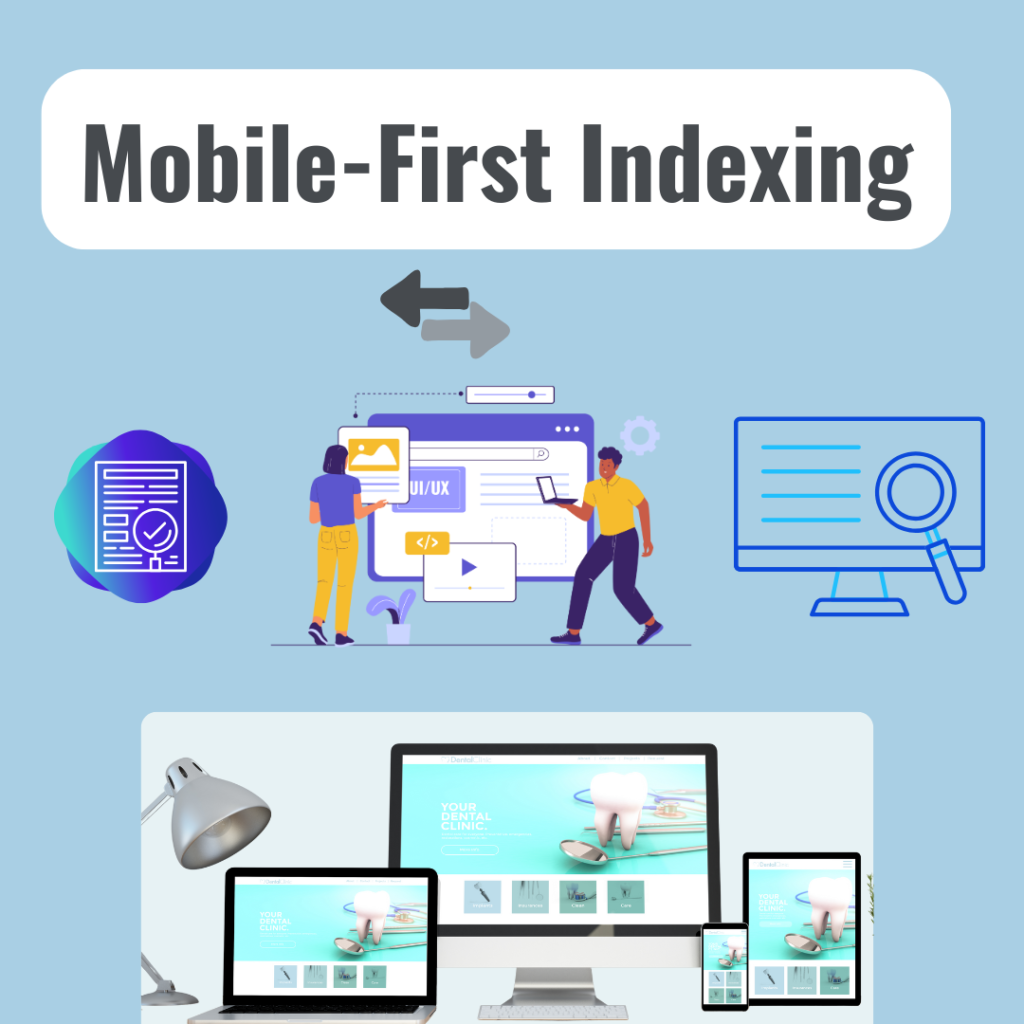
Now Google looks first at the mobile view of your website. Site ranks will suffer if your site isn’t mobile-friendly. A mobile-friendly website should be:
- Adjust automatically to screen size
- Have readable text
- Load quickly on mobile networks
3. Secure Website (HTTPS)
Security is a trust signal. 2026 - HTTPS is not a Maybe. User a secure site protects user information and increases trust in the eyes of Google.
Non SSL websites can warn users and lose traffic.
4. Proper URL Structure
Clear, logical URLs make it easier for users and search engines to understand your pages.
Good URLs are:
- Short and meaningful
- Free from random characters
- Keyword-focused
Example:
/technical-seo-guidance-2026/
5. Crawlability and Indexing
Your site needs to be crawlable and indexable by search engines.This is managed using:
- XML sitemap
- Robots.txt file
- Meta robots tags
These two standard allows you to provide instructions to search engines about which pages to crawl and what not to.
6. Structured Data and Schema Markup
Schema markup allows search engines to better comprehend your content.In When considering 2026, it enhances:
- Search appearance
- Click-through rate
- Rich results like FAQs
7. Resolving Duplicate Content Issues
Duplicate content confuses the search engines, and can damage your rankings.Technical SEO addresses this by:
- Canonical tags
- Proper internal linking
- Clean pagination
8. Image Optimization
Images should look good without slowing down the site. Always:
- Compress images
- Use modern formats
- Add ALT text
This improves both speed and accessibility.
9. Internal Linking Structure
Internal linking distributes page authority and enhances navigation. A strong internal linking structure:
- Helps search engines crawl pages easily
- Keeps users engaged longer
- Supports better rankings
10. Routine Technical
SEO Monitoring SEO is not a set and forget. Regular technical audits help detect:
- Broken links
- Crawl errors
- Speed issues
- Security problems
At IICE Computer Education Shimla, students are trained to perform real-world SEO audits.
Common Technical SEO Mistakes
- Ignoring mobile optimization
- Slow server response
- Blocking important pages
- Not using HTTPS
- Poor internal linking
Avoiding these mistakes can significantly improve website performance.
Why Learn Technical SEO at IICE Computer Education Shimla?
At IICE Computer Education Shimla, Technical SEO is taught with live examples, tools, and real website practice. Students learn:
- Modern SEO strategies for 2026
- Practical implementation
- Industry-relevant skills
- Career-focused training
The aim is to not just learn SEO, but to use it with confidence.
Conclusion
Technical SEO Guide 2026 at IICE Computer Education Shimla: Build fast, secure, mobile-friendly, and well structured websites. It underpins content and marketing strategies and has a big influence on long term search rankings. A technically sound website with a good following of the community of users will gain the trust of search engines, focus the users to stay longer and will progress with its rankings naturally. https://youtube.com/shorts/-yinI7Y4Ik0?si=lBAXn4MrDEKe3Hcl
FAQs – Technical SEO Guidance 2026
1. What is Technical SEO in simple words?
Technical SEO focuses on the site’s infrastructure and performance and enables search engines to crawl and rank it with ease.
2. Is Technical SEO Essential for Beginners?
Yes. Beginners need to know Technical SEO so they don’t have to come back later to fix why they’re not ranking.
3. Does website speed matter in 2026?
Yes. Speed and user experience are Important Ranking Factors.
4. Is mobile friendly means compulsory?
Yes, you do: Google employs mobile-first indexing.
5. What is an XML sitemap?
It is a file that enables search engines to crawl and index web pages.
6. Does HTTPS affect SEO?
Yes. Secure sites rank better.
7. How often Should You Monitor Technical SEO?
About every three to six months is sufficient.
8. Are Images Considered Technical SEO?
Yes. Optimized images help speed and usability.
9. Can Technical SEO Help with Local SEO?
Yes. Locally, fast and optimized website will rank better.
10. Does Technical SEO alone guarantee ranking?
No. It works along with content and backlinks.